


Whose Egg Is Used in Surrogacy?
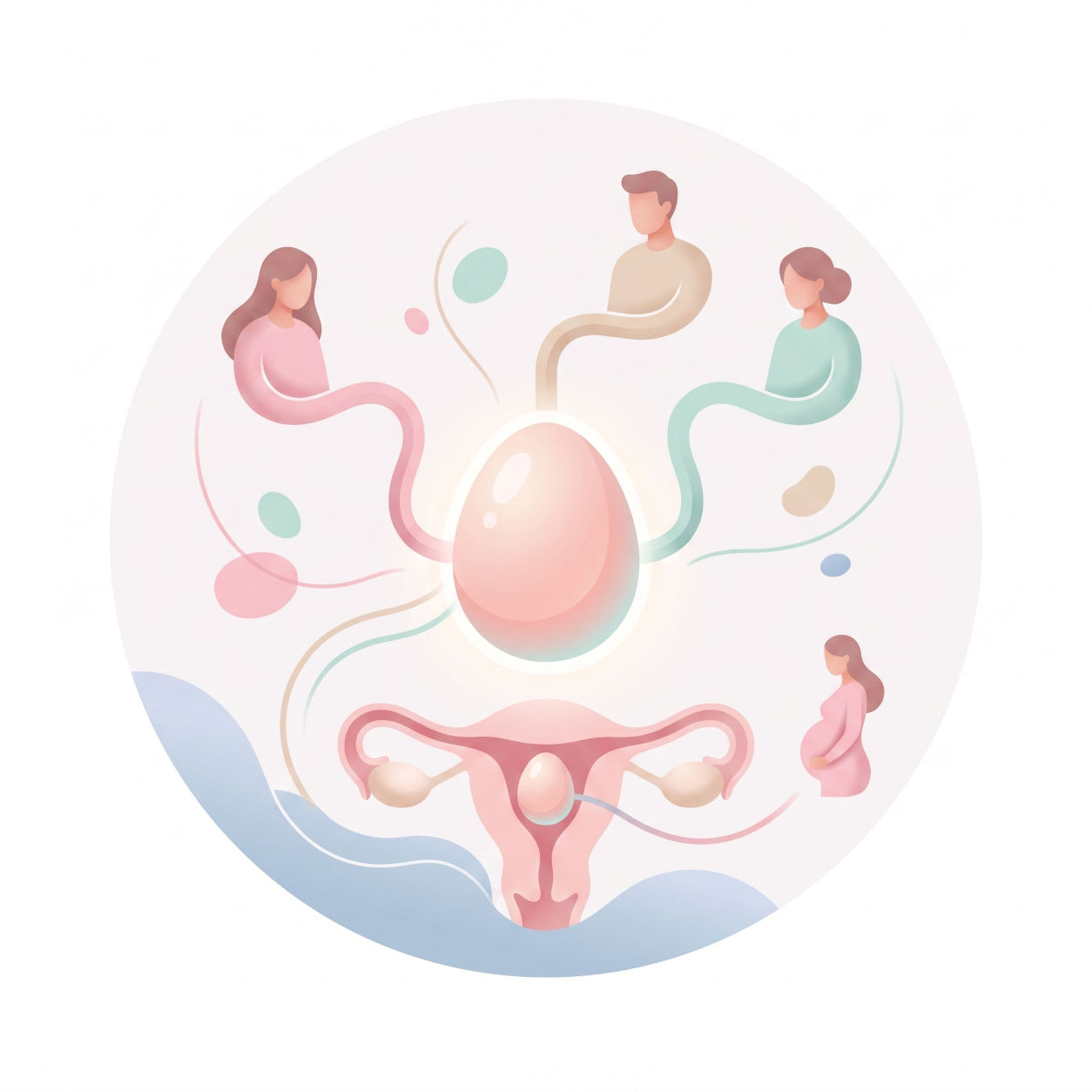
Whose egg is used in surrogacy depends entirely on which type of surrogacy is involved. In gestational surrogacy — the most widely practiced form today — the surrogate does not use her own eggs. The embryo is created from the intended mother's or a donor's egg, not from the surrogate herself.
Quick Answer: Whose Egg Is Used in Surrogacy?
In gestational surrogacy, the surrogate's own eggs are never used. The embryo is created through IVF using the intended mother's eggs or a donor's eggs, then transferred to the surrogate's uterus.
The surrogate carries the pregnancy but has no genetic connection to the baby.
In traditional surrogacy — a much older and now rarely practiced model — the surrogate does use her own eggs, making her the genetic mother.
Most established surrogacy programs today use gestational surrogacy exclusively, which is why surrogacy whose egg comes from is almost always the intended mother's or a donor's.
Types of Surrogacy: Traditional vs. Gestational
Traditional Surrogacy
In traditional surrogacy, the surrogate is both the carrier and the genetic mother. Her egg is fertilized, either through artificial insemination or IVF, using sperm from the intended father or a donor. The resulting child is genetically related to the surrogate.
Do surrogates use their own eggs in traditional surrogacy? Yes.
Does a surrogate use her own eggs by choice in this model? Also, yes, it is the defining feature of the arrangement.
Traditional surrogacy creates significant legal complexity because the surrogate has parental rights as the genetic mother, terminating those rights requires an adoption-like process. For this reason, traditional surrogacy is now rarely offered by reputable programs.
Gestational Surrogacy
In gestational surrogacy, the surrogate carries an embryo she has no genetic connection to.
Does a surrogate use the mother's egg? The intended mother or a donor provides the egg. It is fertilized through IVF and transferred to the surrogate's uterus. The genetic material comes entirely from the intended parents or donors.
Whose Eggs Are Used in Gestational Surrogacy?
Intended Mother's Eggs
When you use a surrogate, is it your eggs that are used? If the intended mother provides her own eggs, yes, the baby is genetically hers and the intended father's.
Do surrogates carry the mother's egg? Yes, the surrogate carries the embryo created from the intended mother's fertilized egg. The surrogate's role is purely gestational.
Egg Donor's Eggs
When the intended mother cannot use her own eggs due to age, diminished ovarian reserve, poor egg quality, genetic concerns, or medical conditions, donor eggs are used.
Does a surrogate use the mothers egg in these cases? No, and neither does the surrogate contribute her own egg. A third-party egg donor provides the genetic material.
Does a surrogate mother use her eggs? Never in gestational surrogacy. The surrogate carries an embryo created from the egg donor's egg and the intended father's or donor's sperm.
Does surrogate mother use her own egg when a donor is involved? No. The egg donor provides the egg, the intended father or donor provides the sperm, and the surrogate carries the pregnancy. None of the surrogate's genetic material is present in the embryo.
Donated Embryos
In some cases, intended parents use a donated embryo created by another couple. Neither the intended parents nor the surrogate is genetically related to the child.
Does surrogate mother use her own egg in this case? No, the embryo belongs to the original donors.
Factors That Determine Whose Eggs Are Used
Age and Ovarian Reserve
The intended mother's age is the primary factor. Women under 35 with normal ovarian reserve typically use their own eggs. As ovarian reserve declines after 40, donor eggs are often recommended. Fertility testing before the program identifies the appropriate path.
Medical History
Premature ovarian failure, prior cancer treatment, prior ovarian surgery, or genetic conditions that the intended mother does not want to pass on are common reasons to use donor eggs.
Genetic Testing Results
If the intended parents carry genetic conditions with a high transmission risk, donor eggs from an unaffected donor may be the safer option, even when the intended mother can produce viable eggs.
Genetics and Legal Parentage in Surrogacy
In most jurisdictions with clear surrogacy legislation, including California, Nevada, and other US states, the intended parents are the legal parents regardless of whether the intended mother's own eggs or donor eggs were used. The surrogate has no parental rights.
Why Surrogate Has No Genetic Link
In gestational surrogacy, the surrogate has no genetic link to the baby. The embryo is genetically formed before transfer, the surrogate contributes no genetic material. This is the fundamental reason gestational surrogacy is legally cleaner than traditional surrogacy: no genetic relationship means no contested parental rights.
Emotional and Family Considerations
Will the Baby Look Like the Intended Parents?
If the intended mother's own eggs are used, the baby inherits genetic traits from both intended parents. When donor eggs are used, the baby shares genetic material with the intended father but not with the intended mother. Families often choose donors with physical characteristics similar to the intended mother, which is one of the most common filters in egg donor databases.
Does Egg Source Affect Bonding?
Research and the experience of thousands of families show that egg source does not determine bonding. Intended parents who use donor eggs consistently report the same depth of connection to their children as those who use their own genetic material. Legal parentage, presence at birth, and day-to-day parenting shape the relationship far more than the genetic origin of the egg.
Choosing Between Own Eggs and Donor Eggs
Medically, the choice is often clear: if egg quality or quantity is insufficient, donor eggs significantly improve success rates. Personally, families weigh genetic connection against the practical goal of a healthy baby. Most families who use donor eggs describe the decision as pragmatic once the process is underway.
How Egg Selection Works in Surrogacy
Medical Evaluation of the Intended Mother
Before the program begins, the intended mother undergoes ovarian reserve testing — antral follicle count and AMH blood test — to assess egg quantity and quality. This determines whether her own eggs are viable for the IVF cycle.
Selecting an Egg Donor
When donor eggs are needed, intended parents select from a pre-screened database including physical characteristics, medical history, and adulthood photos. A.EggBank provides a searchable database of frozen donor eggs from fully screened FDA-eligible donors with free US shipping to any fertility clinic.
IVF and Embryo Creation
Eggs are retrieved from the intended mother or received as frozen oocytes from the donor bank. They are fertilized with the intended father's or donor's sperm in an embryology laboratory. The resulting embryos are cultured, graded, and typically tested genetically before the best embryo is selected for transfer to the surrogate.
Embryo Transfer to the Surrogate
The surrogate undergoes hormonal preparation. The selected embryo is transferred in a brief outpatient procedure, and the surrogate carries the pregnancy under obstetric monitoring. In surrogacy, whose egg was used does not affect the surrogate's role — she carries the baby regardless of whether the egg came from the intended mother or a donor.
Egg Sources in Surrogacy: At a Glance
The table below summarizes the key differences between egg source options in gestational surrogacy.
FAQ
What Is the Difference Between Traditional and Gestational Surrogacy?
In traditional surrogacy, does a surrogate use her own eggs? Yes — she is the genetic mother of the child she carries. In gestational surrogacy, the surrogate does not use her own eggs. The embryo is created from the intended mother's or a donor's egg and transferred to the surrogate. This genetic separation is why gestational surrogacy is the standard in modern programs.
What Happens if the Intended Mother Cannot Use Her Eggs?
If the intended mother's egg quality or quantity is insufficient for a successful IVF cycle, donor eggs are used. Does a surrogate mother use her own eggs in this scenario? No. A third-party egg donor provides the genetic material. The surrogate carries the embryo created from the donor's egg and the intended father's or donor's sperm. The intended parents remain the legal parents from birth regardless of whether the intended mother's own eggs were used.
Will the Surrogate Be Biologically Related to the Baby?
In gestational surrogacy — the dominant model used in established programs — no. Does the surrogate use the mother's egg or her own? Neither. The surrogate carries an embryo she has no genetic connection to. Her biological contribution is the pregnancy itself — the uterine environment, nutrition, and gestation — not the genetic makeup of the child. In surrogacy, whose egg is used determines genetic parentage, and in all gestational programs that egg belongs to the intended mother or a donor, not the surrogate.
Need Help Choosing Donor Eggs?
If your surrogacy program requires donor eggs, A.EggBank offers a fully screened FDA-eligible frozen egg donor database with free US shipping to any fertility clinic. Donors are searchable by physical characteristics, ethnic background, and educational profile. Full profiles with adulthood photos and medical history are available after free registration. Contact A.EggBank at contact@a-eggbank.com or visit a-eggbank.com/donors.
Sources
Family Code of Ukraine — provisions on gestational surrogacy and parental rights.
American Society for Reproductive Medicine. Definitions of infertility and recurrent pregnancy loss. Fertility and Sterility.
Centers for Disease Control and Prevention. Assisted Reproductive Technology National Summary Report.
Ethics Committee of the American Society for Reproductive Medicine. Consideration of the gestational carrier: a committee opinion. Fertility and Sterility.
Society for Assisted Reproductive Technology. National Summary Report.
 Find a donor
